


Boiler Installations in Teynham
WW Plumbing Services provides boiler installations in Teynham for customers replacing an ageing appliance, improving an existing heating system or planning changes to their home. We assess the current installation and discuss how your household uses heating and hot water before recommending suitable equipment.
Get A Free Quote
Planning a Boiler Replacement Around Your Household
A replacement boiler should reflect how your home is used today. The existing appliance may have been installed before an extension, an additional bathroom or a change in the number of people living at the property.
At WW Plumbing Services, we discuss the performance of your current heating system and what you would like to improve. This might involve more consistent hot water, easier controls or replacing an appliance with a history of faults.
Our assessment considers the current equipment and the requirements of the proposed installation. We also look at the available position and the connections needed for the replacement.
Understanding these details before equipment is selected helps produce a clearer quotation. You can see which work is included, ask about the options and decide how the project should proceed before installation begins.

Choosing Between Combi, System and Conventional Boilers
Different boiler types suit different heating arrangements. A combi boiler provides heating and hot water within one appliance without a separate hot water cylinder. A system boiler works with stored hot water, while a conventional arrangement generally includes a cylinder and additional tanks.
The right choice depends on the installation and household demand. Space, the incoming water supply and how many outlets are used together can all affect the recommendation.
We explain the suitable options in relation to your property. Retaining the current boiler type may offer a straightforward replacement, while changing the arrangement can involve additional work.
It is helpful to describe how showers, baths and other hot water outlets are normally used. Our team can then discuss the equipment and storage requirements with a clearer understanding of your routine, rather than selecting a boiler from the size of the house alone.

Assessing the Existing Position, Pipework and Connections
The location of the boiler affects both the installation and future access. Before recommending a replacement, we assess the current position and discuss whether the appliance will remain there.
Moving a boiler can change the scope of the project. Pipework, flue arrangements and other connections may need alterations, while the suitability of the proposed position must be checked.
We also consider the condition of the accessible installation around the appliance. This helps identify work that should be included with the replacement and gives you a more accurate picture of the project.
If the boiler sits inside a cupboard or a room that is being renovated, explain your plans during the assessment. Allowing suitable access matters both for fitting the new appliance and for later maintenance. We can discuss these requirements before the surrounding space is finished.
Installing, Testing and Explaining Your New Boiler
Once the installation plan has been agreed, our engineer completes the work required to replace the existing appliance and connect the new equipment. The exact process depends on whether the boiler type and position are being retained or changed.
We explain the expected disruption and which areas of the property need to remain accessible. This helps you prepare for the work and understand when heating and hot water will be unavailable.
After installation, the boiler and relevant functions are tested as part of completing the job. Our engineer also explains the controls and provides the relevant installation information.
The handover gives you an opportunity to ask questions about using the new system. Understanding the settings from the outset helps you manage heating and hot water confidently and makes it easier to recognise when future maintenance or assistance may be needed.

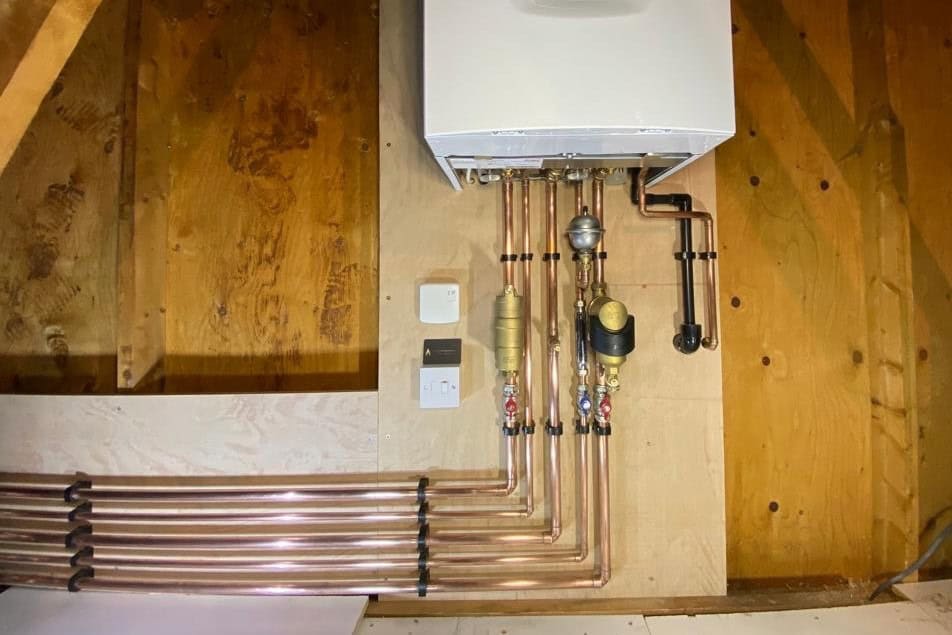
Reviewing Heating Controls Alongside the Replacement
Installing a new boiler is also an opportunity to review how you control heating in the property. Your current programmer or thermostat may no longer suit the household’s routine, particularly if working patterns or room use have changed.
We can discuss compatible control options as part of the installation proposal. The aim is to make everyday operation clear and ensure the selected equipment works with the proposed boiler.
Some households prefer a straightforward schedule and room thermostat. Others want to explore controls that allow different ways of managing temperatures and heating times.
Explain how you currently use the heating and which settings you find difficult. This gives our team useful context when discussing the options. The suitability of any control depends on the system, so the recommendation should form part of the assessment rather than being treated as an automatic addition.
Coordinating Boiler Work with Property Improvements
A boiler replacement may form part of a wider renovation. New bathrooms, additional rooms and changes to the kitchen can affect the heating arrangement or the preferred appliance position.
Discussing these plans early helps establish whether related work should be coordinated with the installation. It also allows the proposal to reflect the property’s intended layout.
For associated fixture replacements and pipework changes, our Teynham plumbing services provide support with agreed household plumbing requirements.
Let us know which improvements are planned and whether other trades are involved. We can then explain how the boiler work relates to those changes and what access or preparation is needed.
Arrange a free quotation to discuss your boiler installation with WW Plumbing Services.
Frequently Asked Questions About Boiler Installations in Teynham
Find answers to common questions about choosing and arranging a replacement boiler.
Replacement may be worth considering when a boiler has become unreliable, needs repeated repairs or no longer meets the property’s heating and hot water requirements. However, a single fault does not establish that the appliance needs replacing. Its condition and the work required should be assessed first. Our local boiler repairs service can help investigate an existing problem before you decide on replacement. When discussing a new installation, explain the boiler’s recent history and any changes to the household. This helps our team consider both the current appliance and what you need from the heating system going forward.
The choice should follow an assessment of your property and existing heating arrangement. We consider household hot water use, available space, the water supply and any equipment already installed. The number of bathrooms matters, but so does the way they are used throughout the day. Tell us if several people need showers at similar times or if the current system struggles with your routine. We can then explain suitable boiler options and whether retaining or changing the existing arrangement would involve additional work. This gives you a clearer basis for choosing equipment and understanding the proposed installation before making a decision.
A different position may be possible, but it needs to be assessed before being included in the installation plan. Moving the appliance can require changes to pipework, flue arrangements and other connections. Access for installation and future servicing also needs consideration. Explain where you would like the new boiler to go and why the current location no longer suits the property. If the move is connected to a kitchen or other renovation, provide details of the planned layout. Our team can then discuss the suitability of the proposed position and explain how relocation would affect the scope of the work and quotation.
The timescale depends on the agreed installation. Replacing an appliance with a similar type in the same position usually involves fewer changes than relocating it or altering the wider heating arrangement. Additional pipework, control changes or work involving existing hot water storage can also affect the schedule. After assessing the property, our team can explain the proposed work and expected duration. We will also discuss when heating and hot water are likely to be unavailable so you can prepare. The appointment needs to allow time for fitting, testing and explaining the completed installation, with the schedule based on your project’s actual requirements.
We welcome boiler installation enquiries from landlords and property managers with homes in Teynham. Let us know whether the property is occupied and who will provide access during the assessment and installation. We can discuss the existing heating arrangement, expected household demand and suitable controls before preparing the proposal. Clear access arrangements are particularly helpful when tenants need to plan around the work. The quotation should identify the agreed installation requirements so the owner understands what is included. Once the work is completed, the relevant installation information and explanation of the controls help support the ongoing use and maintenance of the heating system.
Include the property address, details of the existing boiler if known and a description of why you are considering replacement. Explain whether the appliance is working, whether you want to keep its current position and whether any renovation is planned. Information about the number of bathrooms and normal hot water use can also help our team understand the requirements. If you have an existing cylinder or other heating equipment, mention it in the enquiry. A property assessment may be needed to confirm the installation scope. We can then discuss suitable options and prepare a quotation based on the proposed work for your home.