


Renewable Heating in Lydd
WW Plumbing Services provides renewable heating in Lydd for homeowners considering a move away from ageing oil, gas or electric heating systems. Properties in and around the town range from older homes and bungalows to rural houses with different levels of insulation and central heating provision.
Get A Free Quote
Renewable Heating for Lydd Homes Beyond the Gas Network
Properties without a convenient mains gas connection often rely on oil, LPG, storage heaters or other electric heating systems. An air source heat pump may provide a suitable alternative, but the work involved will depend on the heating equipment already installed within the property.
A home with an oil boiler may already have radiators and central heating pipework that can form part of the new installation. These components still need to be checked because they were probably designed to operate with hotter water than a heat pump normally supplies. Properties using storage heaters may require an entirely new wet heating system.
WW Plumbing Services considers the existing energy source alongside insulation, room sizes, radiator output and everyday household demand. This allows us to explain what can be retained and which changes would be needed to create a dependable renewable heating system.
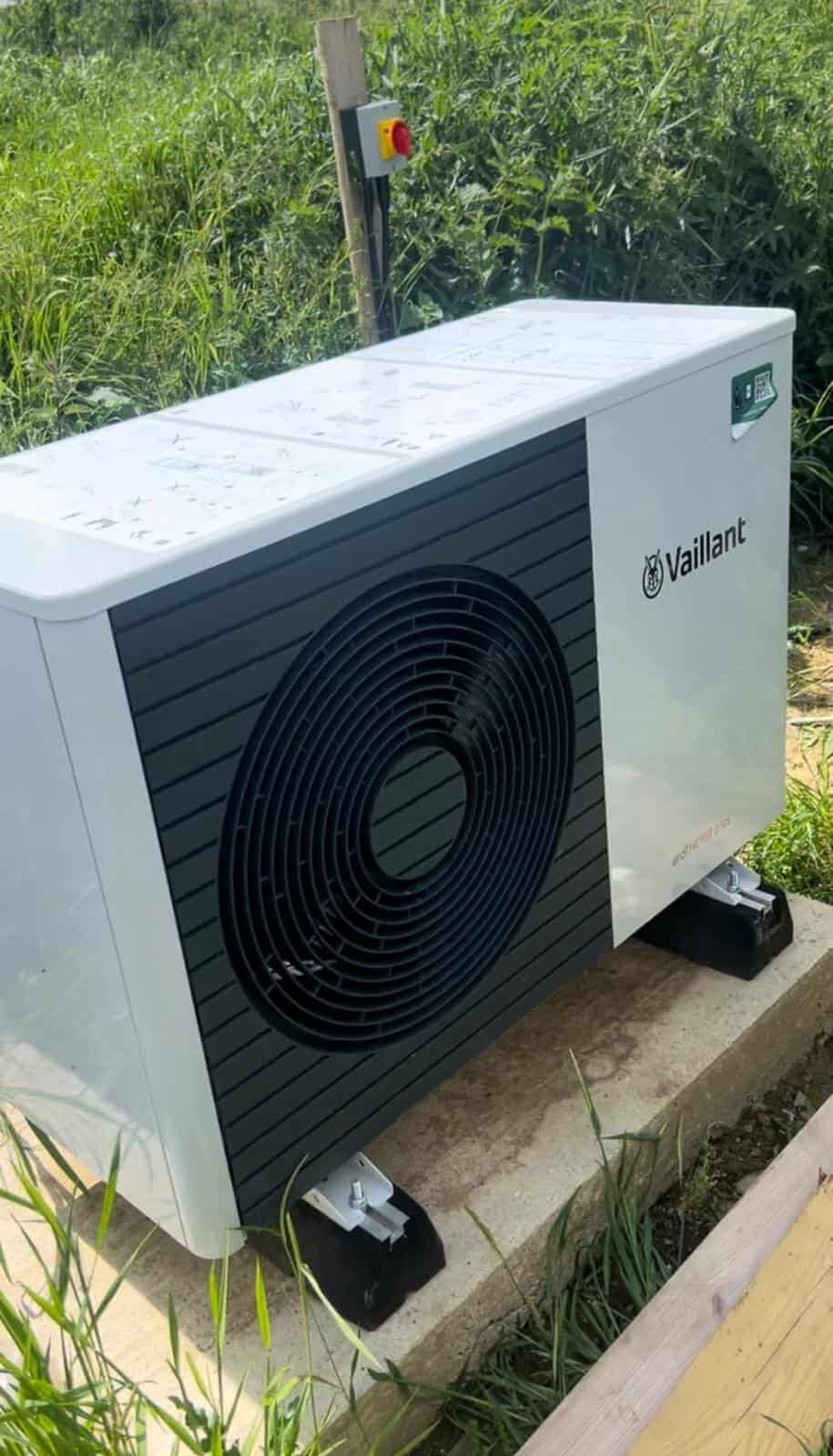
Reviewing an Older Heating System Before Conversion
An older central heating system may have been repaired and altered several times over its working life. Radiators can vary in size and age, controls may no longer manage the property evenly and extensions might have been connected without the original system being redesigned.
Before planning a heat pump installation, our engineers assess how well the current system serves each part of the home. We look for rooms that take longer to warm, radiators that remain cooler than others and sections of pipework that may restrict circulation. These findings help determine whether targeted improvements should form part of the conversion.
Where existing components remain suitable, they can be incorporated into the proposed design. Where an upgrade is necessary, we explain how it will support heating performance. This avoids removing usable equipment without reason while also preventing unsuitable parts from limiting the new system.
How Property Exposure Influences Heating Demand
Homes around Lydd can experience open surroundings and exposed conditions, particularly towards the rural edges of the area. Wind, draughts and limited insulation can increase the amount of warmth lost from the building, even where the property does not appear particularly large.
Our engineers calculate the likely heat loss of each room by considering its dimensions, external surfaces, glazing and construction. This creates a more accurate picture of heating demand than simply selecting equipment from the overall floor area.
A sheltered bedroom with one external wall may need considerably less output than a larger living space with several windows and exposed elevations. The radiators or other heat emitters can then be assessed against these individual requirements.
Where insulation improvements would make a meaningful difference, we explain them during the survey. The aim is to design around the property as it currently performs while identifying sensible changes that could reduce unnecessary heating demand.
Using Renewable Heating Without Treating It Like a Boiler
An air source heat pump generally works by maintaining indoor warmth more steadily than a conventional boiler. Households accustomed to switching heating on for a short period at a high temperature may therefore need to use different schedules and settings.
During commissioning, we configure the controls around the calculated requirements of the property and its normal occupancy. The system is tested to confirm that heat circulates correctly and that individual rooms respond as expected. Adjustments can then be made before the installation is handed over.
We explain how to manage daily temperatures, heating periods and hot water without making unnecessary changes that could affect comfort. Homeowners are also shown what normal operation should look like and when an unusual message or change in performance should receive professional attention.

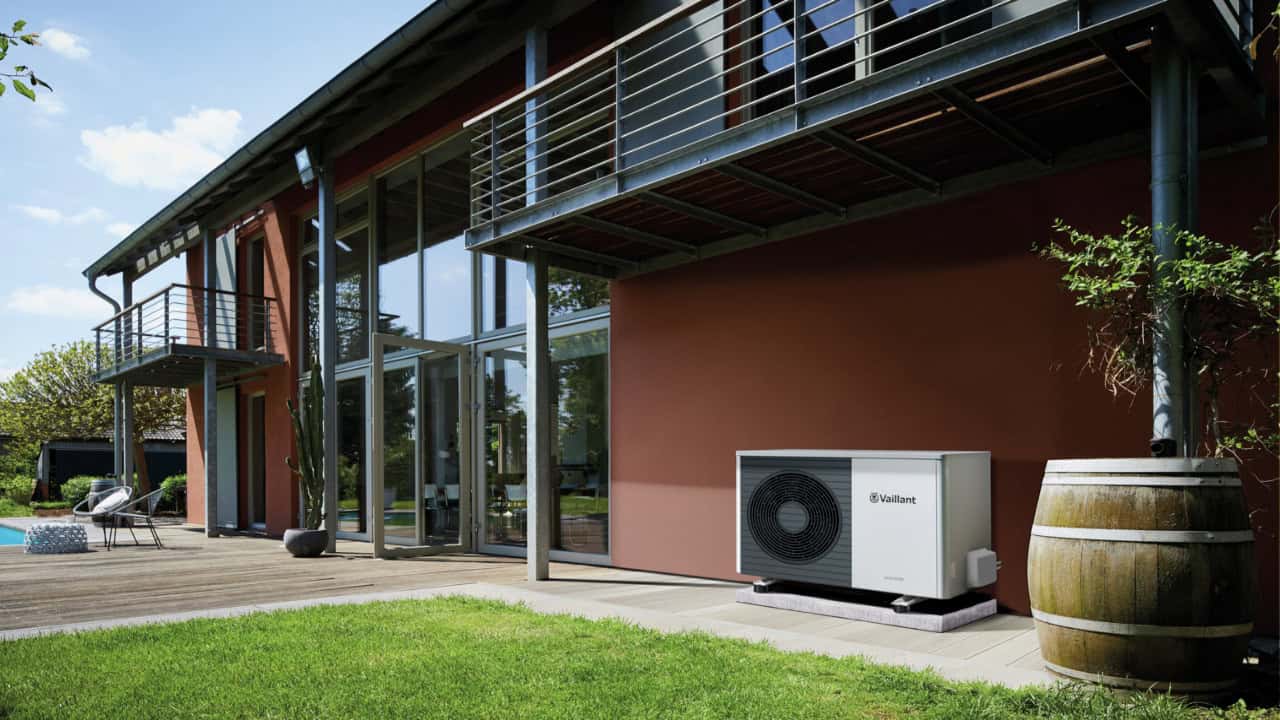
Discuss the Right Heating Option for Your Lydd Property
Renewable heating should be recommended because it suits the building and household, not simply because the technology is available. WW Plumbing Services assesses the complete property before explaining whether an air source heat pump offers an appropriate option.
Where renewable heating is suitable, we provide a clear proposal covering the system and any supporting work required. Customers who are still comparing alternatives can also explore professional boiler installations or speak with our local gas engineers. This provides a more balanced understanding of the available heating options.
Whether you are replacing an unreliable oil boiler, improving an older property or planning a wider upgrade, get in touch to arrange a renewable heating assessment in Lydd and request a free quotation.
Frequently Asked Questions
Find answers to common questions about renewable heating and air source heat pump installations in Lydd and across Kent.
An air source heat pump may replace storage heaters, but the property will normally require a wet central heating system. Storage heaters do not use water-filled radiators or central pipework, whereas most domestic heat pumps circulate heated water through radiators or underfloor heating. The conversion may therefore include new pipework, heat emitters, controls and suitable hot water equipment. Our engineers assess the building’s heat loss and calculate the output required in each room before explaining what the project would involve. Insulation and the available electrical supply are also considered. This detailed assessment allows homeowners to compare the cost, disruption and practical benefits of installing renewable heating with retaining or upgrading the existing electric system.
An exposed property may require more heating output than a sheltered building of a similar size, but this does not automatically mean that the largest available heat pump should be installed. Equipment must be selected from accurate room-by-room heat-loss calculations. These consider external walls, glazing, insulation, floor construction, draughts and the indoor temperature the household wants to maintain. Installing oversized equipment can create its own operating problems, while an undersized system may struggle during colder conditions. Our engineers use the survey findings to recommend an appropriate system and identify whether radiator or insulation improvements should be considered. The final design reflects the actual building rather than relying on assumptions based only on its location or floor area.
Yes. Homeowners should understand the practical differences between available heating systems before committing to a major installation. An air source heat pump operates differently from a gas or oil boiler and may require changes to radiators, controls, hot water storage or sections of pipework. A new boiler may provide a more straightforward replacement in some properties, while renewable heating may offer a stronger long-term option in others. WW Plumbing Services can assess the current arrangement and explain the work involved with each suitable route. Customers can review our local boiler installation service or discuss gas heating requirements with our gas engineers alongside the renewable heating assessment.
WW Plumbing Services provides renewable heating services throughout Lydd and across Kent. Our dedicated service areas include Ashford, Ramsgate, Faversham, Chartham, Reculver, Herne, Sandwich, Sittingbourne, Herne Bay, Hythe, Sandgate, Dover, Deal, New Romney, Romney Marsh, Lydd, Whitstable, Canterbury, Birchington-on-Sea, Margate and Broadstairs. Properties in nearby communities may also fall within our working area, subject to the postcode and proposed project.