


Renewable Heating in Deal
WW Plumbing Services provides renewable heating in Deal for homeowners considering an air source heat pump for an existing property, renovation or complete heating upgrade. Deal includes period terraces, coastal homes, bungalows and newer developments, each with different insulation, heating and hot water requirements.
Get A Free Quote
Renewable Heating for Deal’s Period and Coastal Homes
Older homes can be suitable for air source heat pumps, but their heating requirements must be properly understood before a system is selected. Traditional walls, timber floors, older windows and later extensions can all affect how quickly warmth escapes from different parts of the property.
WW Plumbing Services surveys each room and records the features that influence heat demand. A front room exposed to coastal weather may require more heating output than an internal bedroom, while a modern rear extension could retain warmth differently from the original building. Treating these areas separately produces a more accurate design.
We use the survey findings to determine the required heat pump capacity and identify whether existing radiators can provide enough output at lower water temperatures. The hot water arrangement, heating controls and available equipment locations are planned at the same time.
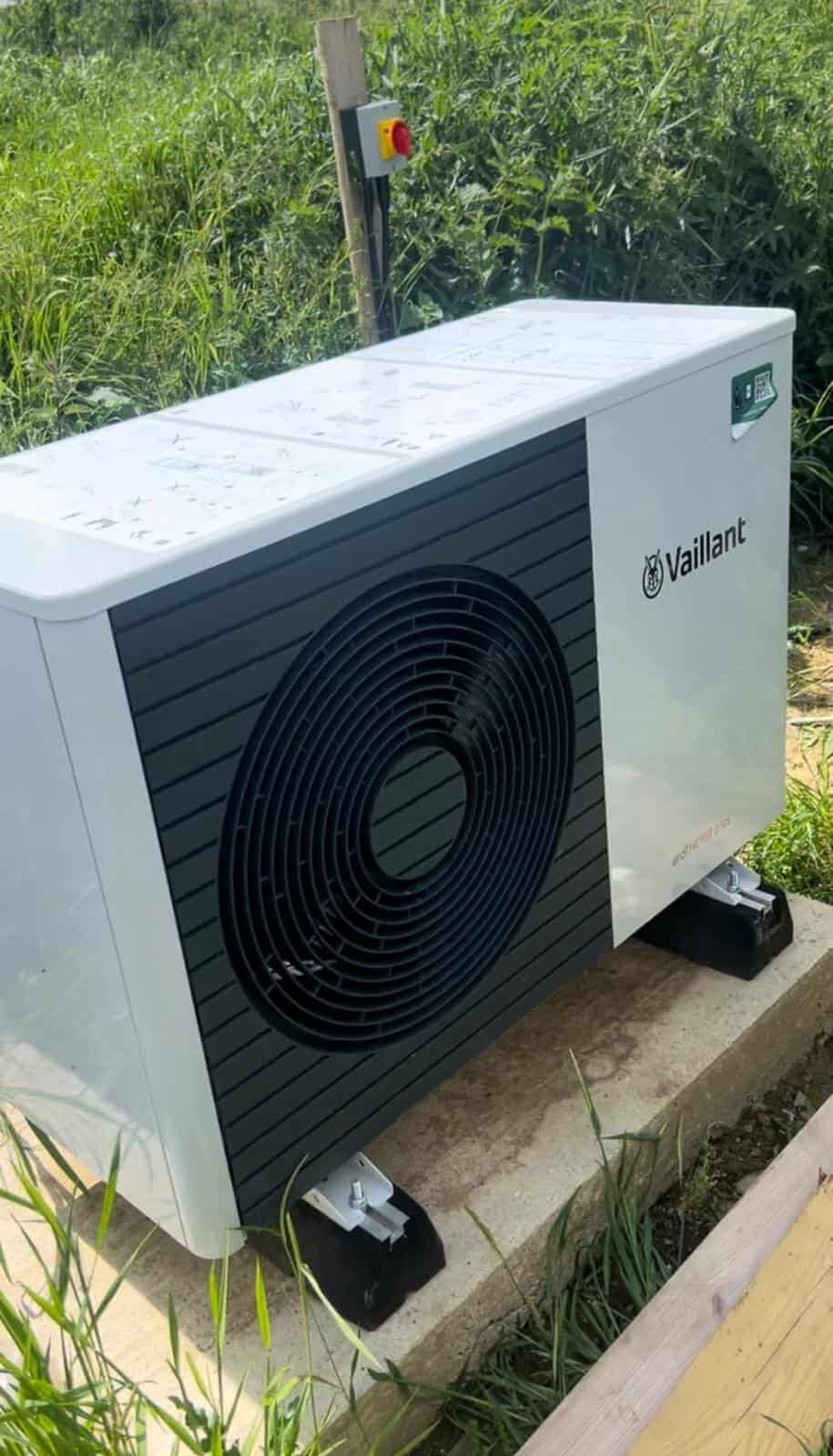
Assessing Homes That Have Changed Over Time
Many properties have been extended, divided, opened up or modernised over several years. These alterations can leave the heating system serving a layout that is very different from the one it was originally designed around.
A former separate kitchen and dining room may now form one large open-plan space, while loft conversions and rear extensions can add heating demand that was never considered when the original boiler and radiators were installed. Existing controls may also manage the property unevenly.
Our engineers review how the building is used today. We calculate the output needed within each room, inspect radiator sizes and check whether the pipework can distribute water effectively through the complete property.
Where parts of the existing system remain suitable, they can be retained. Where improvements are needed, we explain the reason for each recommendation. This may involve changing selected radiators, upgrading controls or altering sections of pipework rather than replacing every component automatically.
Can Existing Radiators Be Used With a Heat Pump?
Air source heat pumps usually circulate heating water at a lower temperature than gas or oil boilers. Existing radiators must therefore be assessed according to the warmth they can release under the proposed operating conditions.
A radiator that appears large enough when connected to a high-temperature boiler may not provide the same output from a heat pump. However, this does not mean that every radiator needs replacing. Rooms with lower heat demand or generously sized existing units may already be suitable.
We compare the calculated requirement of each room with the available radiator output. Particular attention is given to open-plan areas, rooms with extensive glazing and parts of the property exposed to stronger coastal weather.
The condition and arrangement of the pipework are reviewed alongside the radiators. Suitable circulation is essential because even correctly sized heat emitters will underperform when water cannot move around the system effectively.
Planning Hot Water Without Losing Unnecessary Space
Most air source heat pump systems use a cylinder to store domestic hot water. In properties where internal storage is limited, finding the correct balance between cylinder capacity and available space is an important part of the design.
Our engineers discuss how many people live in the property, the number of bathrooms and when hot water demand is highest. A household using several showers within a short period may require a different cylinder from a smaller home with lower daily usage.
Potential positions can include an airing cupboard, utility area, garage or another accessible part of the home. The cylinder must have suitable connections and enough surrounding access for installation and future maintenance.
Where the property already has stored hot water, we inspect the existing equipment to determine whether it is compatible with the proposed heat pump. Retaining an unsuitable cylinder could restrict performance, so its specification matters as much as its physical condition.

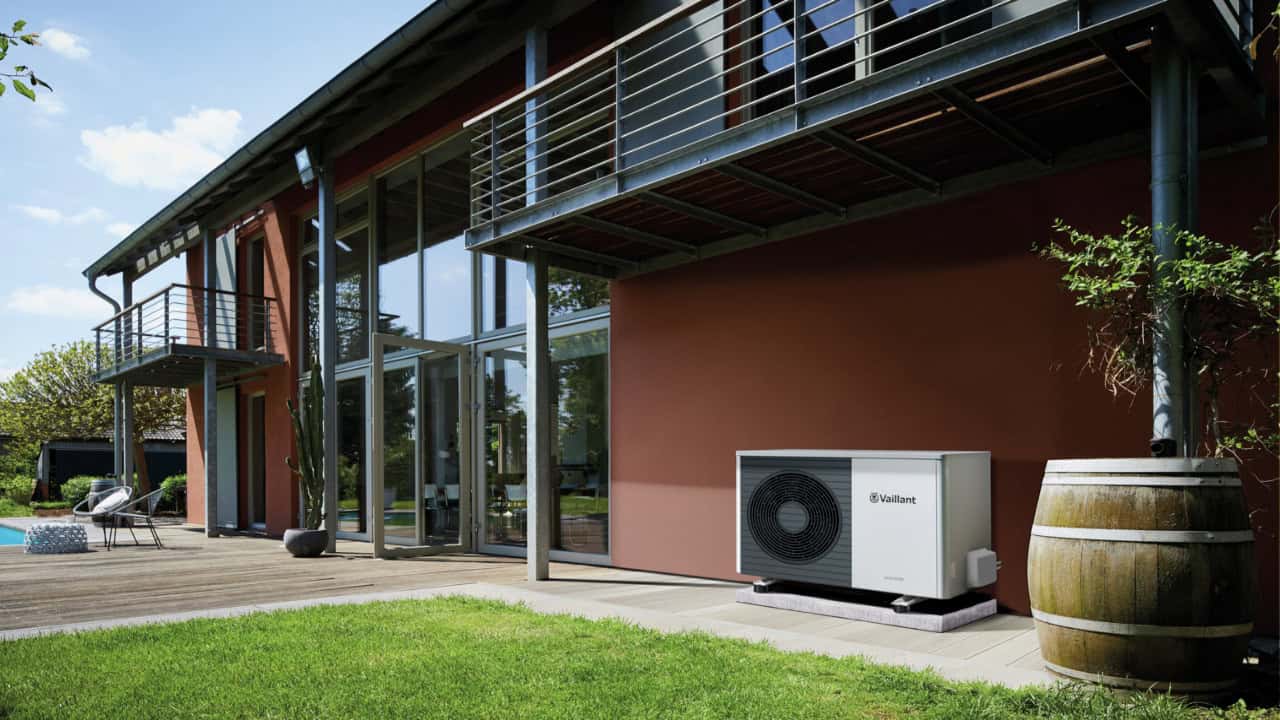
Combining Renewable Heating With a Property Renovation
Renovation work can provide a useful opportunity to improve insulation, alter pipework and plan renewable heating before new finishes are completed. Coordinating these elements can be particularly valuable where floors, walls, kitchens or bathrooms are already being changed.
If the property layout is being altered, we can assess the future arrangement rather than designing around rooms that will soon change. Planned insulation improvements, new glazing and extensions can also be considered when calculating the expected heating demand.
Underfloor heating may be suitable within certain renovation projects, while other areas of the property can continue using appropriately sized radiators. The correct arrangement depends on floor construction, room use and the wider heating design.
Customers comparing different technologies can also discuss conventional boiler installations, existing oil boilers and support from experienced gas engineers. This allows the heating decision to reflect the renovation, available space and long-term plans for the property.
Arrange a Renewable Heating Survey in Deal
A renewable heating proposal should be based on the actual building, not a generic estimate. WW Plumbing Services assesses homes throughout Deal, examining construction, insulation, heat loss, radiator output, hot water requirements and equipment locations before recommending an air source heat pump.
Following the survey, we prepare a clear proposal covering the recommended equipment and supporting work. Existing components can be retained where they remain suitable, while necessary improvements are explained before the installation is agreed.
Whether you are upgrading a period home, replacing an unreliable boiler or planning renewable heating alongside a renovation, get in touch with WW Plumbing Services. Our team can arrange a property assessment and provide a quotation tailored to your home in Deal.

Frequently Asked Questions
Find answers to common questions about renewable heating and air source heat pump installations in Deal and throughout Kent.
An air source heat pump can be installed in a suitable period property, but the building must be surveyed carefully before equipment is selected. Traditional walls, suspended floors, older glazing and uncontrolled draughts may increase heat loss, while later extensions can behave differently from the original structure. Our engineers calculate the heating demand of each room and assess whether the existing radiators can provide sufficient output at lower water temperatures. Targeted insulation improvements or selected radiator changes may be recommended where they would support dependable performance. The age of the property does not automatically prevent renewable heating. The decision should instead be based on its current condition, heating distribution, available installation space and the practical work required to create a complete system.
A courtyard may provide a possible location for an air source heat pump, but airflow, access and surrounding structures must be considered carefully. The outdoor unit should not be tightly enclosed by walls, solid screening or stored items because restricted airflow can affect its operation. We also consider nearby windows, doors, seating areas and the route needed to connect the unit with the internal heating equipment. The equipment requires a stable base and enough access for future maintenance. During the property survey, our engineers assess the dimensions and layout of the courtyard before confirming whether it provides a practical position. Where it is unsuitable, we can discuss alternative areas around the property and explain any preparation needed before installation.
It is often beneficial to plan renewable heating during the early stages of a renovation, even when the equipment will be installed later. Decisions about insulation, room layouts, flooring, radiators and pipe routes can all affect the final heating design. Coordinating these elements before walls and floors are finished may reduce avoidable alterations and disruption. Our engineers can assess the proposed layout and consider improvements that will change the building’s expected heat demand. Where underfloor heating or new radiators are planned, their output can be incorporated into the renewable system design. The ideal installation stage depends on the scale and sequence of the renovation, but seeking advice early provides more flexibility and helps ensure that completed building work does not conflict with the heating requirements.
WW Plumbing Services provides renewable heating services throughout Deal and across Kent. Our dedicated service areas include Ashford, Ramsgate, Faversham, Chartham, Reculver, Herne, Sandwich, Sittingbourne, Herne Bay, Hythe, Sandgate, Dover, Deal, New Romney, Romney Marsh, Lydd, Whitstable, Canterbury, Birchington-on-Sea, Margate and Broadstairs. Properties in nearby communities may also fall within our working area, depending on the postcode and proposed project.