


Renewable Heating in Sandgate
WW Plumbing Services provides renewable heating in Sandgate for homeowners considering an air source heat pump as an alternative to an ageing gas, oil or electric heating system. Properties close to the coast can present distinctive design considerations, including exposed elevations, restricted outdoor areas and varied levels of insulation.
Get A Free Quote
Heat Pump Design for Sandgate’s Coastal Properties
Homes throughout Sandgate can differ considerably in construction, orientation and exposure. A sheltered modern property may retain heat differently from an older building facing stronger coastal weather, while terraced and hillside homes can present additional challenges when deciding where equipment should be positioned.
WW Plumbing Services begins by calculating how much warmth each room loses during colder conditions. We consider external walls, roof areas, glazing, floors, draughts and the current level of insulation. These findings allow us to specify a heat pump based on the building’s measured demand rather than relying on its bedroom count or overall floor area.
The proposed system may also include a suitable hot water cylinder, updated heating controls and carefully selected radiator improvements. Planning these components together helps create consistent comfort throughout the home. Once installation is complete, we test the system, balance the heating and explain how to manage everyday temperatures and hot water.
Making the Most of Limited Outdoor Space
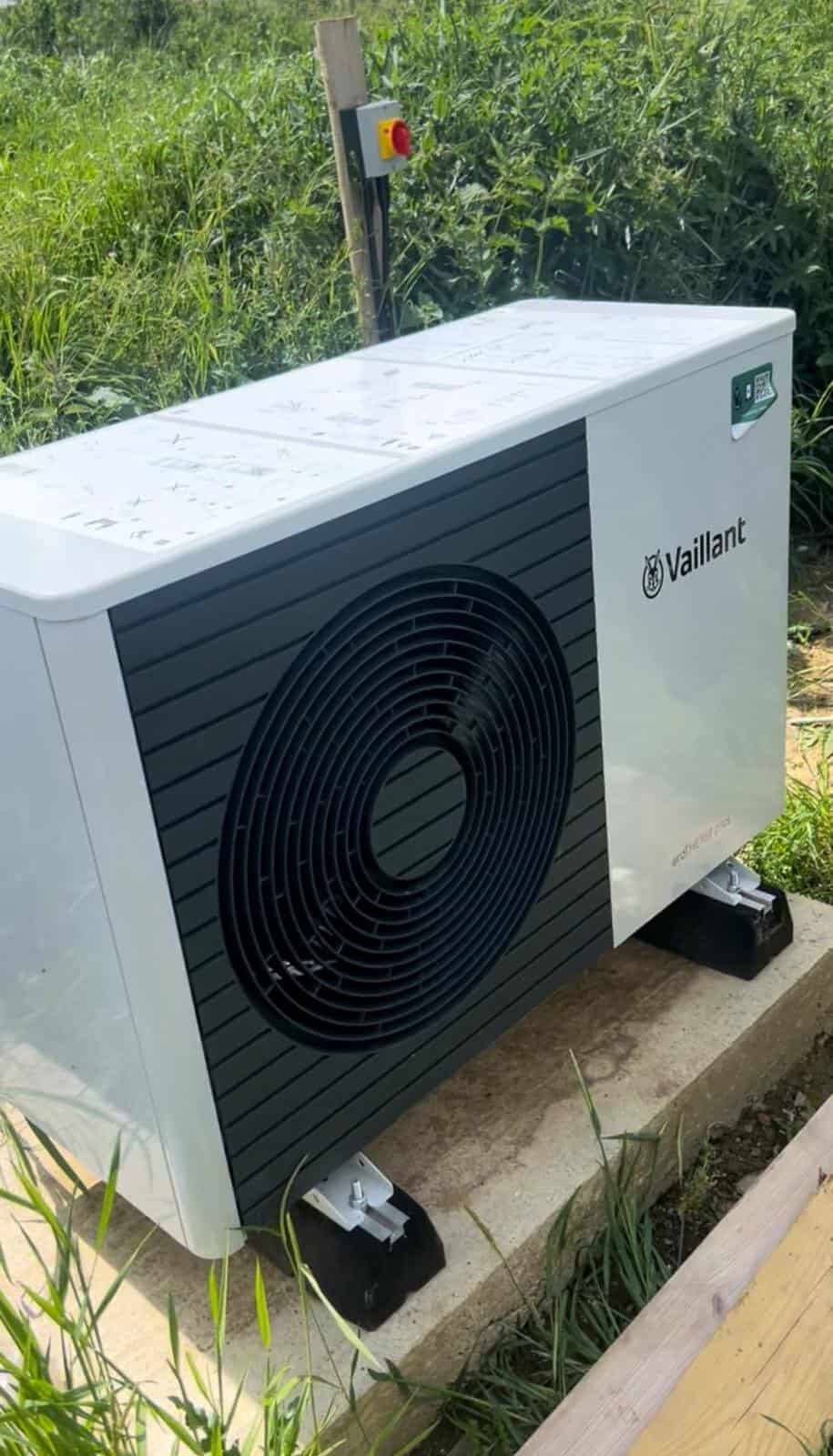
Finding a suitable position for an air source heat pump can require careful planning around properties with compact gardens, narrow side access or frequently used outdoor areas. The unit needs sufficient airflow and stable support, while also remaining accessible for future inspections and maintenance.
During the survey, our engineers examine possible positions around the property. We consider doors, windows, neighbouring boundaries, pathways, seating areas and the route required to connect the outdoor equipment with the internal heating system. Placing the unit in the most visually discreet position is not always practical if surrounding walls, fencing or vegetation could restrict airflow.
Where external space is limited, early planning becomes especially important. We explain the available positioning options and identify any preparation needed before installation begins. This may include creating a suitable base or clearing an appropriate working area.
A carefully chosen location helps the heat pump operate as intended without unnecessarily affecting how you use the garden, driveway or access around your Sandgate home.
Preparing an Existing Heating System for a Heat Pump
Air source heat pumps typically circulate water at a lower temperature than traditional boilers. Existing radiators and pipework must therefore be checked to confirm that they can distribute enough heat around the property under different operating conditions.
Our engineers calculate the output required within each room and compare it with the performance of the radiators already installed. A large radiator in a compact bedroom may remain suitable, while a smaller unit serving an exposed lounge or open-plan area could require upgrading. This targeted approach avoids replacing every radiator without a clear reason.
The size and arrangement of the pipework are also reviewed. Restricted circulation can affect heating performance even when the heat pump itself has been correctly selected. Existing controls may need alteration to support steadier operating temperatures and appropriate heating schedules.
Where retained components are suitable, they are incorporated into the new design. Where changes are required, we explain how those improvements contribute to the reliability and comfort of the completed system.
Heating and Hot Water for Different Household Routines
The heating requirements of a property are influenced by how it is occupied. A home used throughout the day may need a different control strategy from a property that is regularly empty, while larger households can place greater demand on domestic hot water during mornings and evenings.
Most air source heat pump installations include a cylinder for storing hot water. The correct capacity depends on the number of occupants, bathrooms and outlets used during busy periods. Installing a cylinder that is too small may provide insufficient hot water, while oversized equipment can occupy unnecessary internal space.
We assess household demand before recommending a cylinder and consider where it can be installed practically. Existing airing cupboards, utility spaces or garages may provide possible locations, subject to the layout and condition of the surrounding pipework.
Heating schedules and hot water timings are then configured around the property’s normal use. This joined-up approach helps the completed renewable system support everyday comfort rather than concentrating solely on the output of the outdoor heat pump.

Commissioning Your New Renewable Heating System
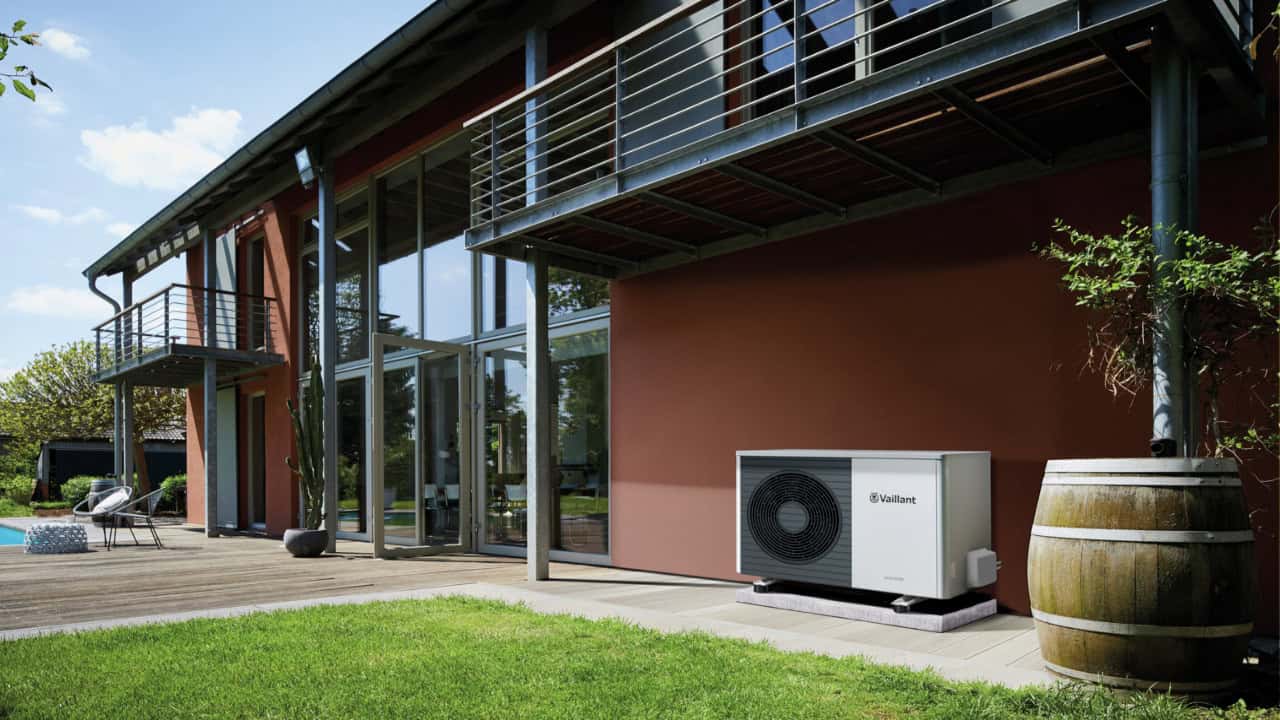
A heat pump installation is not complete when the equipment has simply been connected. The system must be tested, configured and balanced to ensure that heating water circulates correctly and rooms reach suitable temperatures.
Our engineers check the outdoor unit, cylinder, controls, pipework and heat emitters as one complete installation. Radiator flow may be adjusted where required, and the controls are configured around the calculated heating demand and household routine. Domestic hot water operation is also tested before the system is handed over.
We explain how an air source heat pump should normally operate and why maintaining steady temperatures can be more effective than repeatedly allowing the property to cool. You will also be shown how to adjust schedules, manage hot water and recognise unusual system messages or changes in performance.
Whether you are replacing unreliable heating or planning improvements to a coastal property, get in touch to arrange a renewable heating assessment in Sandgate and request a tailored quotation.
Frequently Asked Questions
Find answers to common questions about renewable heating and air source heat pump installations in Sandgate and across Kent.
An air source heat pump can sometimes be installed at a property with limited outdoor space, but the available position must be assessed carefully. The unit requires sufficient clearance for airflow, stable support and reasonable access for future servicing. It should not be enclosed tightly by solid fencing, dense planting or stored items, as these may interfere with operation. We also consider nearby windows, doors, property boundaries and areas used for seating or access. The connecting route to the internal cylinder and heating system must remain practical. During the survey, our engineers assess possible locations and explain which arrangement provides the best balance between performance, accessibility and everyday use. A compact garden does not automatically prevent installation, but it makes detailed planning particularly important.
Coastal exposure can increase heat loss through wind, draughts and external surfaces, particularly in properties with older windows or limited insulation. These conditions are considered when calculating how much heating output each room requires. The outdoor heat pump also needs a suitable location where it receives unrestricted airflow and remains accessible for inspection. Salt-laden air and exposed weather make equipment selection, positioning and regular maintenance important considerations. Coastal conditions do not automatically make an air source heat pump unsuitable, but they mean the system should be designed around the building rather than selected from general property information. Our engineers assess the insulation, glazing, orientation and heating distribution before recommending equipment and any supporting improvements that may help maintain comfortable indoor temperatures.
Changing from a combi boiler to an air source heat pump is possible for a suitable property, but the new system will normally require a hot water cylinder. A combi boiler produces hot water directly without stored water, whereas most heat pump installations use a cylinder to supply showers, baths and taps. The available internal space must therefore be considered alongside the existing radiators, pipework and controls. Our engineers also calculate the property’s heat loss and assess whether radiator upgrades are required for lower-temperature heating. The project is more involved than exchanging one boiler for another, but careful planning can create an effective renewable system. Following the survey, we explain the equipment, internal alterations and practical installation work required before providing a quotation.
WW Plumbing Services provides renewable heating services throughout Sandgate and across Kent. Our dedicated service areas include Ashford, Ramsgate, Faversham, Chartham, Reculver, Herne, Sandwich, Sittingbourne, Herne Bay, Hythe, Sandgate, Dover, Deal, New Romney, Romney Marsh, Lydd, Whitstable, Canterbury, Birchington-on-Sea, Margate and Broadstairs. Properties in nearby communities may also fall within our working area, depending on the postcode and proposed project.