


Renewable Heating in Herne
WW Plumbing Services provides renewable heating in Herne for homeowners looking to replace ageing boilers, reduce reliance on traditional fuels or improve the way their property is heated. Homes throughout the village and surrounding rural areas can have very different insulation levels, room layouts and existing heating systems, so every air source heat pump installation begins with a detailed property assessment.
Get A Free Quote
Heat Pump Installations for Herne Properties
Properties in Herne range from traditional homes and rural houses to extended family properties and more modern developments. Their heating requirements can vary considerably, particularly where older sections of a building have been combined with newer extensions or improvements.
WW Plumbing Services examines the complete property before preparing a renewable heating proposal. We assess wall and roof construction, glazing, room sizes, insulation and the condition of the existing heating distribution. This information allows us to calculate how much heat each room needs during colder weather.
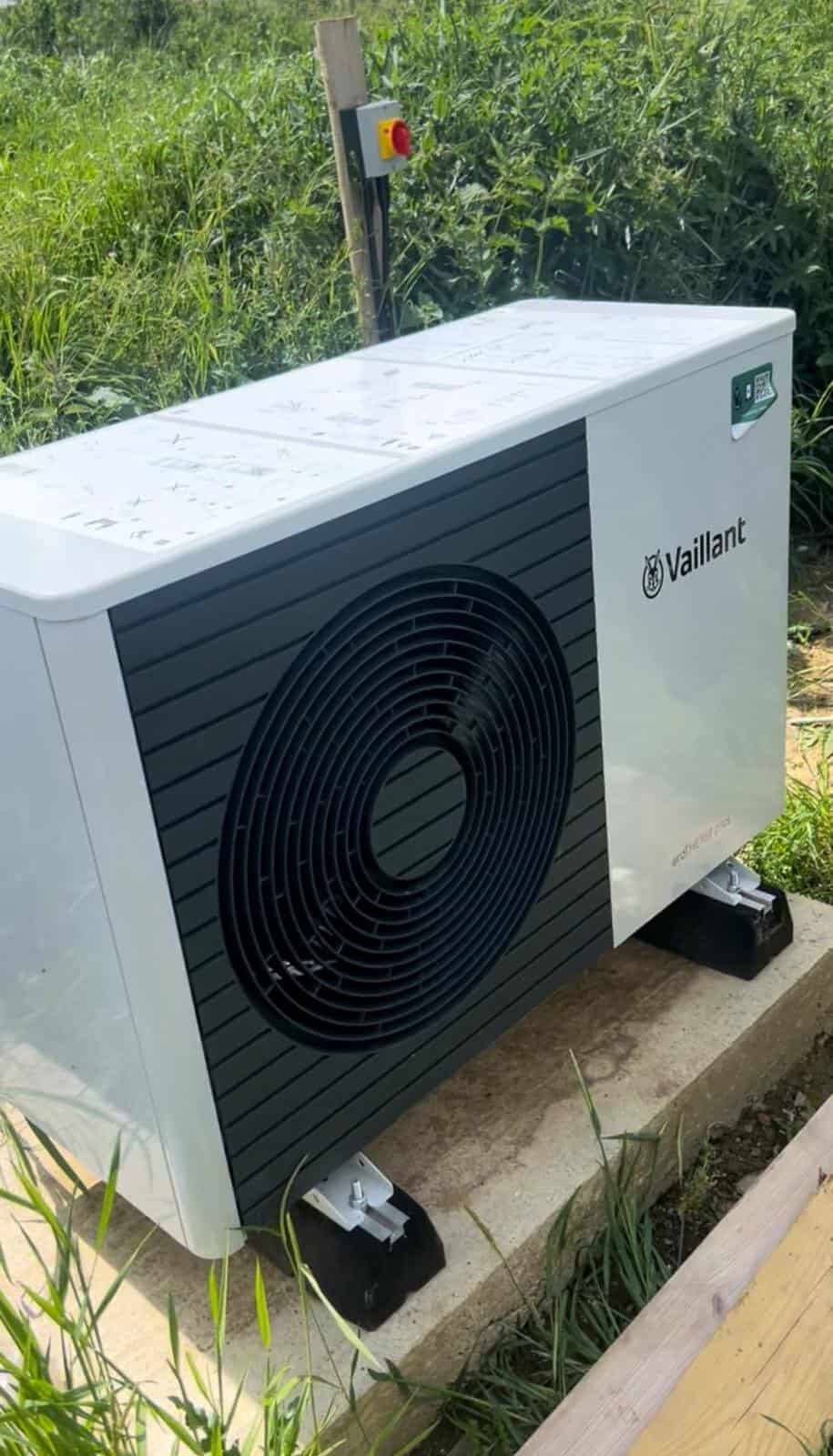
The proposed installation may include an outdoor heat pump, a suitable hot water cylinder, upgraded radiators and new controls. Each component is selected to work as part of one system. Once the work is completed, we commission the equipment, test heating performance and explain how to manage the controls around your normal household routine.
Replacing Rural and Off-Grid Heating Systems
Some properties around Herne are not connected to mains gas and may rely on oil, LPG, storage heaters or direct electric heating. An air source heat pump can offer another option for a suitable home, but replacing an existing system requires more planning than exchanging one boiler for another.
Homes using oil heating may already have radiators and wet pipework, although these components must be checked for renewable heating temperatures. Properties using storage heaters may require a new water-based central heating system, including pipework and heat emitters throughout the building.
We review the existing equipment, energy source and internal layout before explaining what the conversion would involve. Where renewable heating is not the best match for the property, we can also discuss oil boilers and other professionally planned boiler installations. Our recommendations are based on the building, practical installation requirements and the way the household uses heat and hot water.
Improving Heat Retention Before Installation
A heat pump must replace the warmth that naturally escapes through the building. Improving heat retention can therefore reduce the demand placed on the new system and help the home maintain a more consistent temperature.
During the property assessment, we consider roof insulation, external walls, glazing, floors and noticeable draughts. This does not mean that every older property requires extensive renovation before renewable heating can be considered. Some homes may only need targeted improvements, while others may already retain heat effectively.
The results of the assessment help us separate essential heating-system work from optional property improvements. Where additional insulation would significantly support performance, we explain why it should be considered. This gives you a realistic view of the complete project and avoids installing equipment without first addressing obvious areas of avoidable heat loss.
Matching Radiators to Each Room
Radiator suitability is determined by the amount of warmth each room needs rather than the physical size of the existing unit alone. A radiator that performs well with a high-temperature boiler may provide insufficient output when connected to an air source heat pump operating at a lower flow temperature.
Our engineers complete room-by-room calculations and compare the required heat output with the radiators already installed. Larger rooms, exposed walls, high ceilings and extensive glazing may require greater radiator capacity than smaller, well-insulated spaces.
Some radiators may be retained, while selected rooms may need wider or more effective models. Underfloor heating can also work well with renewable systems where it is already installed or forms part of a wider renovation. By reviewing each room separately, we can create balanced heating rather than allowing one part of the property to remain noticeably colder than another.

Discuss Renewable Heating for Your Herne Home
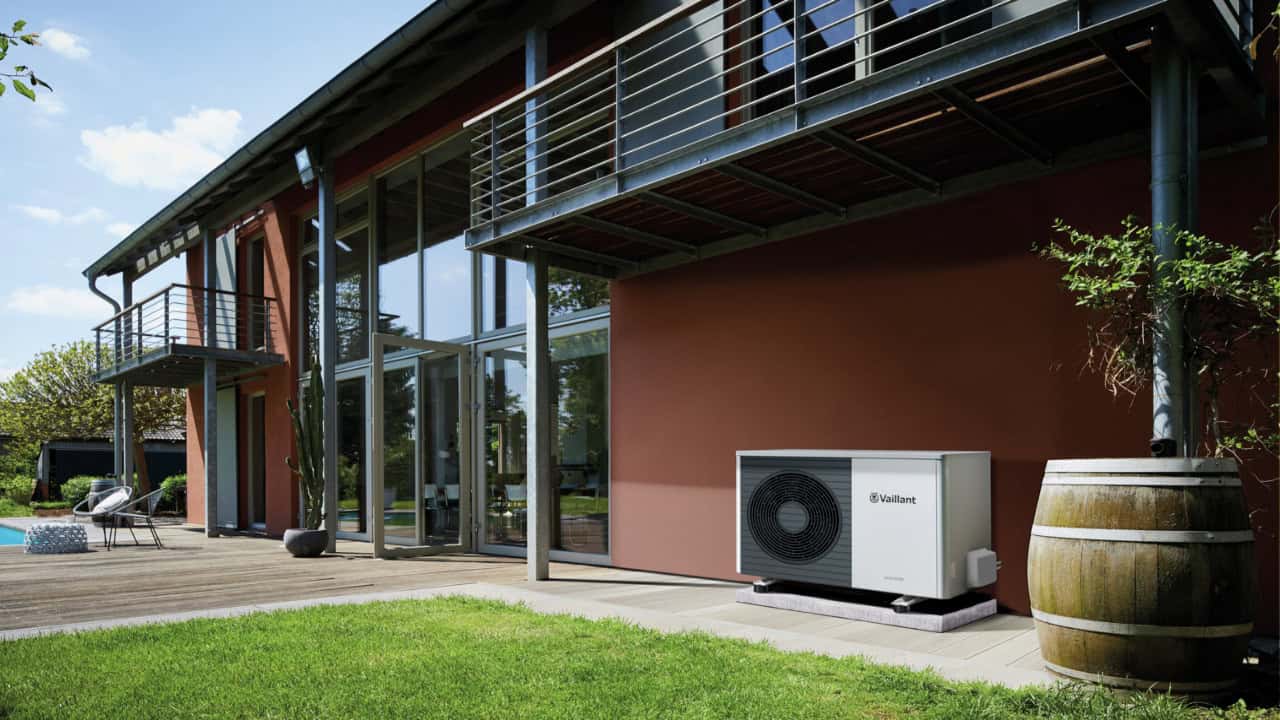
Changing a heating system can affect radiators, hot water storage, controls, pipework and the use of space inside and outside the property. WW Plumbing Services considers these elements together before recommending an air source heat pump for a home in Herne.
Our survey and design process provides a clear picture of the equipment required and any supporting improvements that should form part of the installation. We can also compare renewable heating with gas or oil alternatives when more than one option may be suitable.
Whether you are replacing unreliable equipment, renovating a rural property or planning a longer-term heating upgrade, get in touch with WW Plumbing Services. Our team can arrange a property assessment, answer your initial questions and provide a quotation for a professionally designed renewable heating system.
Frequently Asked Questions
Find answers to common questions about air source heat pumps and renewable heating installations in Herne and across Kent.
An air source heat pump may replace storage heaters, but the project usually requires more extensive work than replacing an existing wet central heating system. Storage heaters operate independently and do not normally use water-filled radiators or central heating pipework. A heat pump installation may therefore require new pipework, radiators or underfloor heating throughout the property, alongside a hot water cylinder and suitable controls. The building’s insulation and calculated heat loss must also be assessed to determine the output required in each room. Our engineers review the current heating arrangement and explain the practical work involved before recommending a conversion. This allows homeowners to compare the installation requirements, likely disruption and long-term suitability of renewable heating with other available options.
Air source heat pumps are commonly designed to maintain a steady indoor temperature over longer periods, but this does not necessarily mean they operate continuously at full output. Modern controls allow the system to respond to heating demand, outdoor conditions and programmed temperature settings. Unlike a conventional boiler, repeatedly switching the heat pump off and then requesting a rapid increase in temperature may be less effective. The most appropriate schedule depends on the property’s insulation, occupancy and normal household routine. During commissioning, our engineers configure the controls and explain how the system should normally behave. This guidance helps you manage comfort without using boiler-style settings that may not suit lower-temperature renewable heating.
Whether an oil tank remains in place will depend on the future use of the oil heating system and the condition of the equipment. Some homeowners may retain an existing boiler during a staged renovation, while others may remove the complete oil system after changing to renewable heating. A redundant tank should not simply be ignored, particularly if it contains fuel or shows signs of damage. The tank, fuel line and remaining oil must be considered as part of the wider project. WW Plumbing Services provides dedicated oil tank services and can discuss the available options alongside the proposed heat pump installation. We will explain how the existing heating equipment affects the work before the renewable system is commissioned.
WW Plumbing Services provides renewable heating services throughout Herne and across Kent. Our dedicated service areas include Ashford, Ramsgate, Faversham, Chartham, Reculver, Herne, Sandwich, Sittingbourne, Herne Bay, Hythe, Sandgate, Dover, Deal, New Romney, Romney Marsh, Lydd, Whitstable, Canterbury, Birchington-on-Sea, Margate and Broadstairs. Nearby villages may also fall within our service area, subject to the postcode and proposed work.