


Renewable Heating in Reculver
WW Plumbing Services provides renewable heating in Reculver for homeowners considering air source heat pumps as an alternative to gas, oil or direct electric systems. Properties near the East Kent coast can differ significantly in age, insulation, layout and exposure, so every proposed installation begins with a detailed assessment.
Get A Free Quote
Air Source Heat Pumps for Coastal Homes in Reculver
Homes around Reculver can include bungalows, traditional houses, renovated properties and modern developments, each presenting different heating requirements. Coastal exposure, building materials, window condition and insulation levels can all influence how quickly heat leaves the property during colder or windy weather.
Our engineers assess these factors before calculating the output required from the proposed renewable system. We look at the heat demand of individual rooms, the performance of existing radiators and the amount of hot water normally used by the household. This information helps us determine the appropriate heat pump capacity and supporting equipment.
The final proposal may include radiator upgrades, a suitable hot water cylinder and new heating controls alongside the outdoor unit. By designing these components together, we can create an installation that reflects the way the property is built and used throughout the year.
Preparing Your Property for Lower-Temperature Heating
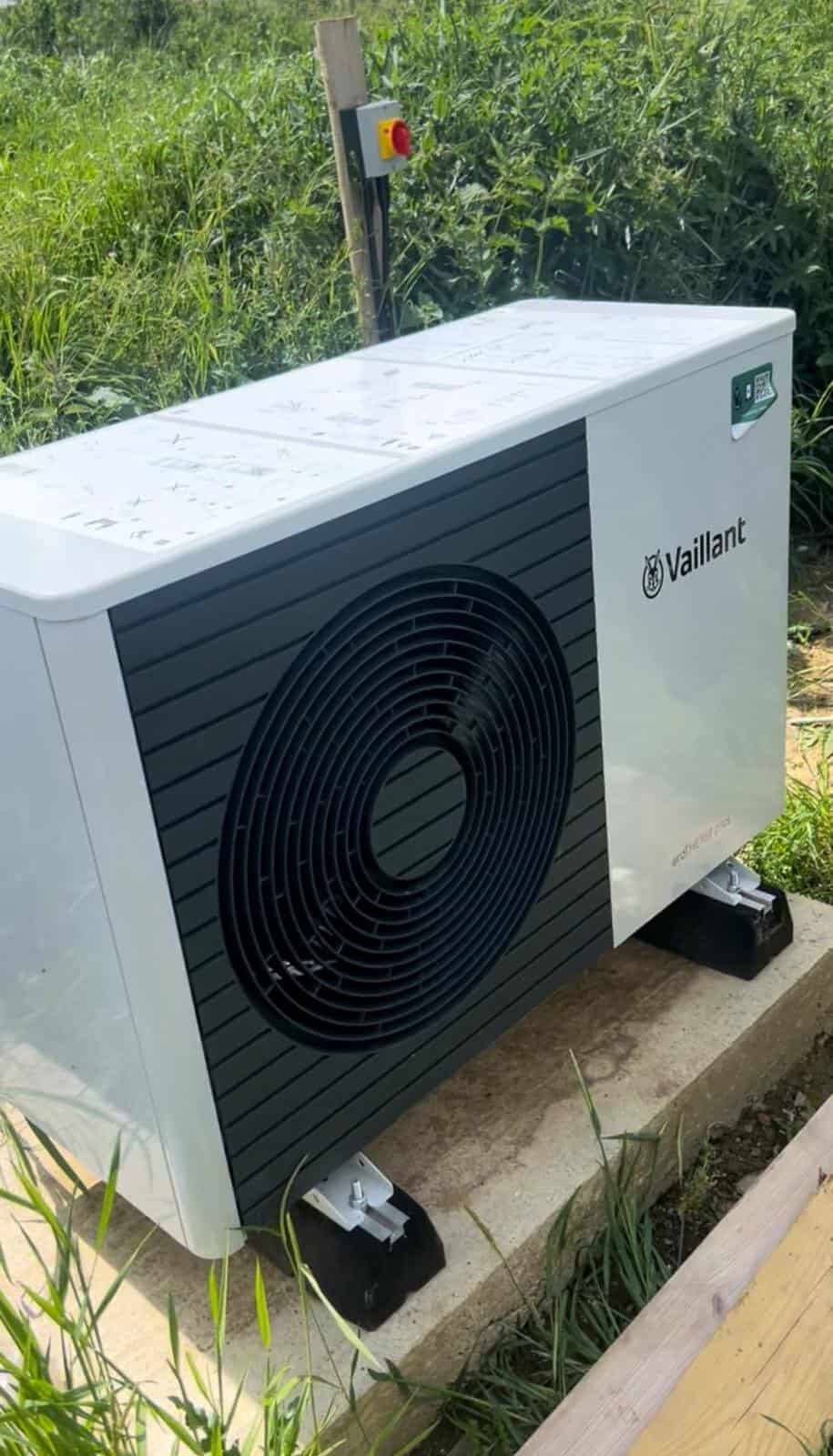
Air source heat pumps usually supply heating water at a lower temperature than conventional boilers. This does not mean the home must feel colder, but it does mean that insulation and heat distribution become particularly important. The system should be capable of maintaining warmth steadily without depending on short bursts of very high-temperature water.
During the assessment, we review areas where unnecessary heat loss could affect performance. This may include roof insulation, windows, external walls and uncontrolled draughts. We also inspect the existing radiators to establish whether they can deliver the required output at the proposed operating temperature.
Some homes may only need limited changes, while others could benefit from larger radiators or improvements to selected parts of the building. We explain these recommendations clearly before an installation is agreed, helping you understand how each improvement supports the performance of the renewable heating system.
Choosing a Position for the Outdoor Heat Pump
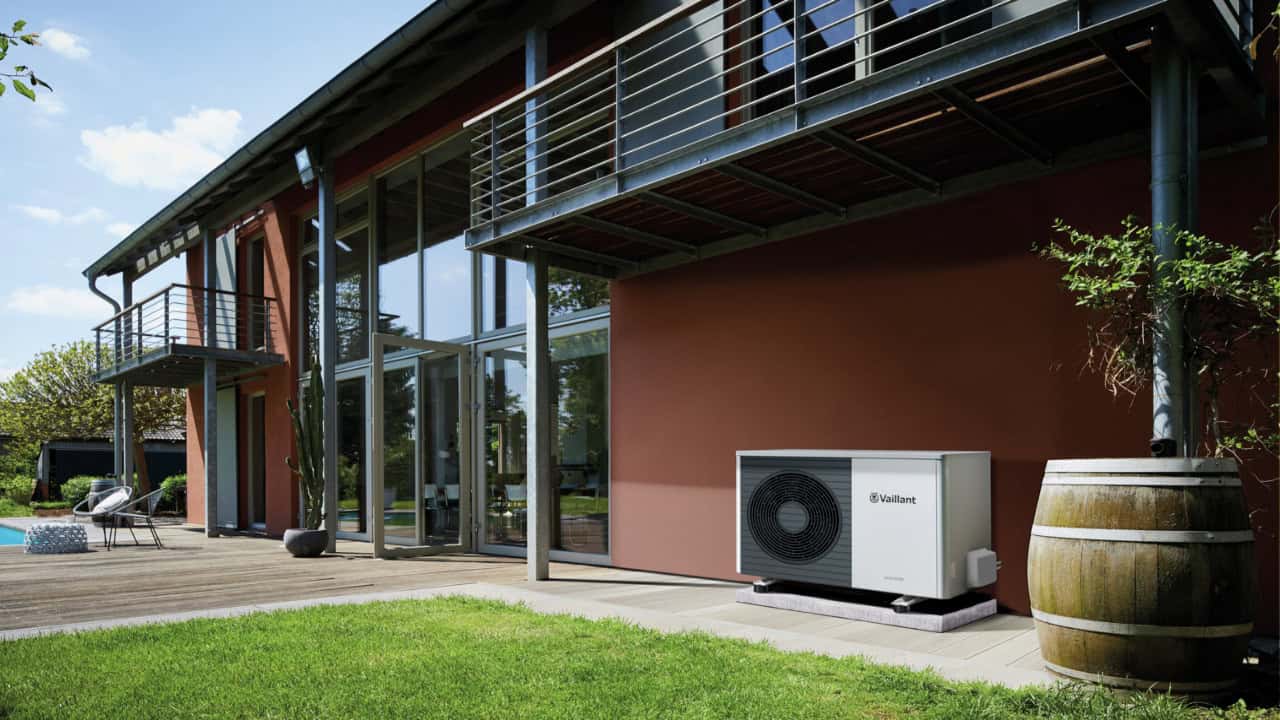
The location of the outdoor unit requires careful thought, particularly around properties exposed to coastal weather. The equipment needs clear airflow, stable support and sufficient access for future inspection and maintenance. It should not be placed where fences, vegetation, bins or stored items could obstruct its operation.
We assess possible positions around the property while considering nearby doors, windows, boundaries and frequently used outdoor areas. The route between the external unit and the internal heating equipment is also reviewed, as this can affect the installation work and final appearance of the system.
Salt-laden air and exposed conditions may make regular visual checks and planned maintenance especially important. Our engineers will explain how the chosen position supports airflow, accessibility and practical everyday use before the installation layout is confirmed.
Heating and Hot Water Planned as One System
A heat pump must provide more than comfortable room temperatures. It also needs to work with a suitable hot water arrangement that reflects the number of people living in the property and the normal demand from showers, baths and taps.
Most installations include a hot water cylinder selected around household usage and the space available inside the home. We assess where the cylinder and controls can be positioned without creating unnecessary inconvenience. Where a cylinder is already installed, we determine whether it is suitable for the proposed renewable system or should be replaced.
The radiators, pipework and controls are reviewed at the same time because each component influences the performance of the others. Planning the complete arrangement together helps create a balanced system rather than installing a heat pump and attempting to adapt unsuitable equipment afterwards.

Arrange a Renewable Heating Assessment in Reculver
A successful air source heat pump installation begins with an accurate understanding of the property. WW Plumbing Services surveys homes in Reculver to assess heat loss, insulation, radiator performance, hot water requirements and suitable locations for the external equipment.
We provide honest recommendations based on the building and the practical work required. Where renewable heating is appropriate, we prepare a clear proposal covering the heat pump and any necessary supporting improvements. Where another option would better suit the property, we can discuss gas, oil or wider heating alternatives.
Whether you are replacing an ageing system, renovating a coastal home or planning future improvements, contact our team to arrange an assessment and request a quotation for renewable heating in Reculver.
Frequently Asked Questions
Find answers to common questions about air source heat pumps and renewable heating installations in Reculver and across Kent.
Air source heat pumps can operate at coastal properties, but the outdoor unit must be selected, positioned and maintained with the local conditions in mind. Homes near Reculver may experience stronger winds, salt-laden air and greater exposure than sheltered inland properties. The unit requires unrestricted airflow and should remain accessible so its condition can be checked over time. Its position should also avoid areas where vegetation, stored objects or nearby structures could interfere with operation. Coastal conditions do not automatically make a property unsuitable for renewable heating, but they reinforce the importance of a detailed survey and professional installation. Our engineers assess the proposed location and explain any maintenance considerations before recommending the final system layout.
A correctly designed air source heat pump can provide dependable heating during cold weather. The key is ensuring that the equipment is sized around the calculated heat loss of the property rather than chosen using a rough estimate. Insulation, glazing, room dimensions and coastal exposure can all influence the amount of heat required. The radiators or underfloor heating must also be capable of distributing sufficient warmth at the system’s intended operating temperature. Heat pumps normally maintain heat more steadily than conventional boilers, so the controls and heating schedule should be configured accordingly. During the assessment, our engineers calculate the demand of each room and explain whether insulation or radiator improvements are recommended before the renewable system is installed.
Most air source heat pump installations require a suitable hot water cylinder because the system normally stores heated water for showers, baths and taps. The required capacity depends on the number of people in the household, the number of bathrooms and typical daily usage. Where a cylinder is already installed, it must be assessed to determine whether it can work effectively with the proposed heat pump. Some existing cylinders may not have the correct internal arrangement or surface area for renewable heating. We also consider where the equipment can be positioned and whether the surrounding pipework needs to be altered. The cylinder forms an important part of the complete system, so it is selected alongside the heat pump, controls and heating distribution rather than treated as a separate decision.
WW Plumbing Services provides renewable heating services throughout Reculver and across Kent. Our dedicated service areas include Ashford, Ramsgate, Faversham, Chartham, Reculver, Herne, Sandwich, Sittingbourne, Herne Bay, Hythe, Sandgate, Dover, Deal, New Romney, Romney Marsh, Lydd, Whitstable, Canterbury, Birchington-on-Sea, Margate and Broadstairs. We can also assess suitable properties in nearby villages, subject to the postcode and proposed work.