


Renewable Heating in Dover
WW Plumbing Services provides renewable heating in Dover for homeowners considering an air source heat pump as part of a planned heating upgrade. Properties across the area can differ considerably in construction, elevation, exposure and internal layout, meaning renewable equipment must be selected around the individual building.
Get A Free Quote
Heating Design for Dover’s Varied Homes
Homes throughout Dover include older terraces, detached family properties, bungalows, converted buildings and more recent developments. The amount of heat required can vary significantly even between properties with a similar floor area, particularly where insulation, glazing and exposure differ.
WW Plumbing Services assesses the building room by room rather than making assumptions based on its age or number of bedrooms. We examine the external surfaces, roof insulation, windows, floors and any parts of the home that feel noticeably colder during winter. This information helps us calculate the heating output needed in each area.
We then compare these requirements with the performance of the existing radiators and pipework. Some components may be suitable for continued use, while others may require alteration to support lower-temperature heating.
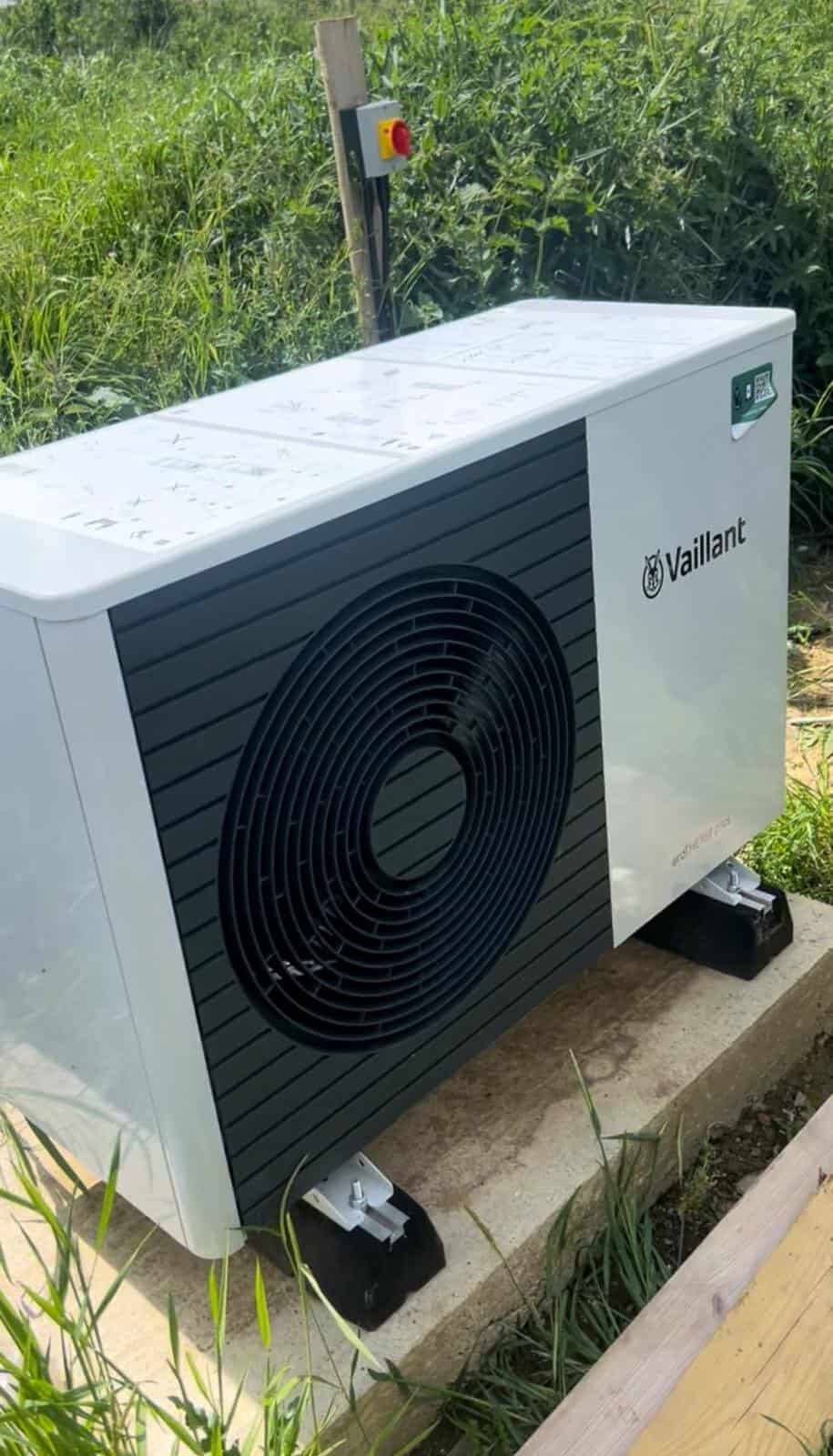
The completed proposal brings the outdoor heat pump, hot water cylinder, controls and heating distribution together as one system. This provides a stronger foundation for consistent temperatures and dependable operation throughout the property.
Why Heating Flow Temperature Affects the Entire System
Air source heat pumps normally circulate water at a lower temperature than conventional gas or oil boilers. This difference affects how radiators release warmth, how the heating schedule is managed and how the system responds when outdoor temperatures fall.
A traditional boiler can often deliver short periods of high-temperature heating. A heat pump is generally designed to provide warmth more steadily over a longer period. Existing radiators must therefore have enough surface area to heat each room at the proposed flow temperature.
Our engineers calculate the required radiator output and identify where larger units may be needed. We also review the condition and dimensions of the pipework because restricted circulation can limit performance even when the heat pump has been sized correctly.
Controls are selected and configured around the same design temperature. By considering flow temperature before equipment is installed, we can avoid relying on unnecessarily high settings that may reduce the effectiveness of the completed renewable system.
Creating Separate Heating Zones Where Appropriate
Some properties benefit from dividing the heating system into separate areas. A multi-storey home, extension or part of the property used less frequently may have different comfort requirements from the main living space. Suitable zoning can provide greater control, although it must be planned carefully around how an air source heat pump operates.
Our engineers review the current layout, existing controls and way the household uses each part of the property. We consider whether separate schedules or temperature controls would provide a genuine benefit without restricting water flow or causing the system to operate inefficiently.
The correct arrangement depends on the heat pump, pipework and heat emitters installed. In some homes, a simple whole-property strategy may remain the most effective option. In others, carefully designed zones can help manage extensions, upstairs rooms or areas with different occupancy patterns.
We explain the available control options during the design stage and configure the agreed system during commissioning. This provides a practical approach to comfort without adding unnecessary complexity.
Planning Cylinder Capacity and Hot Water Recovery
Most air source heat pump installations use a cylinder to store domestic hot water. The cylinder must be large enough to support the household while remaining appropriate for the available internal space and normal usage pattern.
We discuss the number of occupants, bathrooms and hot water outlets used during busy periods. A family using multiple showers in the morning may need a different arrangement from a smaller household with lower simultaneous demand. Future plans, such as adding an en-suite or changing bathroom fittings, should also be considered.
Cylinder capacity is only one part of the decision. The heat-transfer arrangement must be compatible with the proposed heat pump, and the controls should manage hot water production alongside space heating. Existing cylinders are therefore inspected rather than automatically retained.
Our engineers also consider recovery time and explain how the system will replenish stored hot water after heavier use. This helps homeowners understand how the completed installation will support everyday routines without expecting it to behave exactly like a combi boiler.

Arrange a Renewable Heating Assessment in Dover
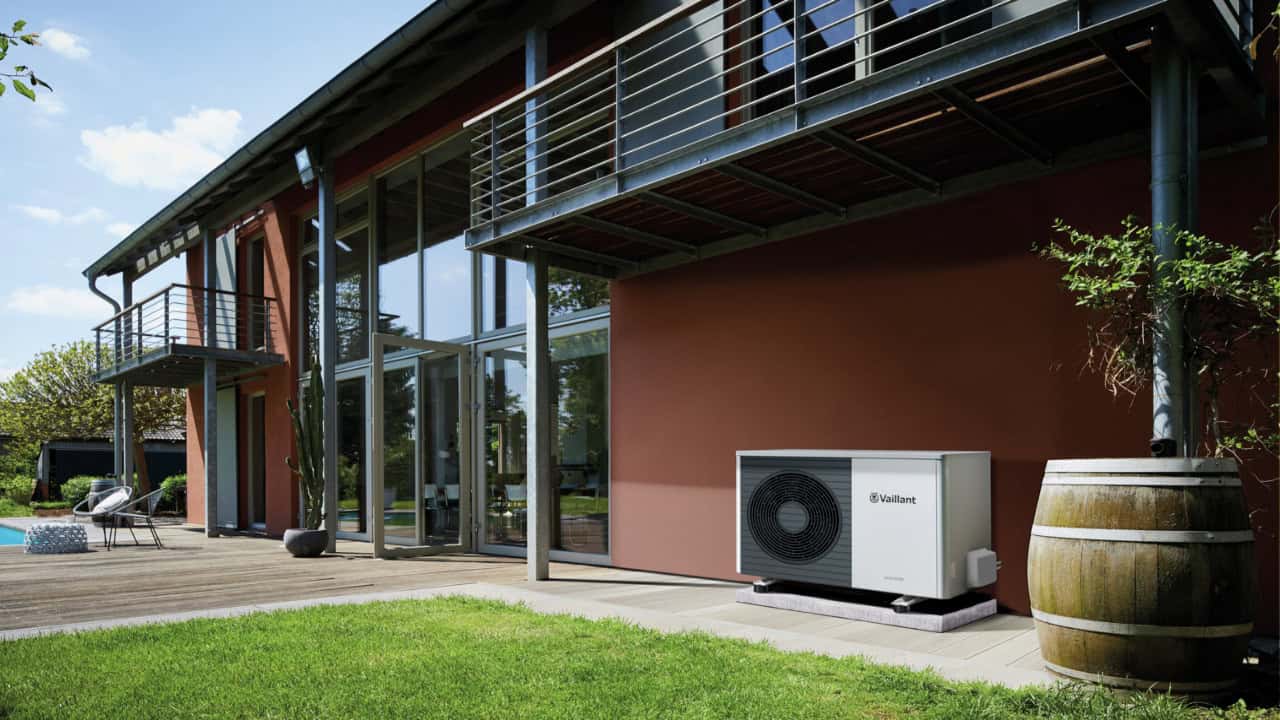
The suitability of an air source heat pump depends on the complete property, not simply the appliance being replaced. WW Plumbing Services surveys homes throughout Dover to review heat loss, insulation, radiator capacity, pipework, household hot water demand and suitable equipment locations.
Following the assessment, we prepare a clear proposal covering the recommended system and any supporting alterations required. Existing components are retained where they can contribute effectively, while necessary improvements are explained before the installation begins.
Whether you are replacing an unreliable boiler, improving a recently purchased property or planning a move towards lower-carbon heating, contact our team to arrange a renewable heating assessment in Dover. We will discuss your current system, answer your initial questions and provide a quotation based on the specific requirements of your home.
Frequently Asked Questions
Find answers to common questions about renewable heating and air source heat pump installations in Dover and throughout Kent.
An air source heat pump can heat an exposed property when the system is sized around an accurate assessment of the building’s heat loss. Wind, draughts, glazing, external walls and roof insulation can all influence how quickly warmth escapes during colder weather. Our engineers calculate the heating demand of individual rooms and compare it with the output available from the existing radiators. Improvements may be recommended where insulation or heat emitters would otherwise limit performance. The outdoor unit also needs an appropriate position with clear airflow and stable support. Exposure does not automatically prevent renewable heating, but it makes detailed surveying and system design particularly important. Equipment should never be selected solely from the floor area or number of bedrooms.
The property’s electrical supply is reviewed as part of planning an air source heat pump installation. Many domestic systems can operate using an appropriate standard household supply, but the actual requirement depends on the selected equipment and other electrical demand within the property. Existing consumer units, available capacity and the proposed connection route may need to be assessed by a suitably qualified professional. Some installations could require electrical alterations before the heat pump can be commissioned. We identify relevant requirements during the planning process rather than assuming the existing supply is automatically suitable. Any necessary work will be explained before installation begins, helping ensure that the heating equipment, controls and supporting electrical components can operate safely and reliably as part of the completed system.
The future of the existing boiler depends on the proposed system design and the homeowner’s plans. In many complete air source heat pump conversions, the old boiler is disconnected and removed once the new heating system is ready to operate. The associated controls, flue and selected pipework may also require alteration. Where an oil boiler is being replaced, the tank, fuel line and remaining oil must be considered separately. Some properties may follow a staged heating upgrade, although any retained equipment must be assessed as part of the complete design. Our engineers explain which components will be removed, altered or retained before work begins. This provides a clear understanding of the installation and avoids leaving redundant equipment without a suitable plan.
WW Plumbing Services provides renewable heating services throughout Dover and across Kent. Our dedicated service areas include Ashford, Ramsgate, Faversham, Chartham, Reculver, Herne, Sandwich, Sittingbourne, Herne Bay, Hythe, Sandgate, Dover, Deal, New Romney, Romney Marsh, Lydd, Whitstable, Canterbury, Birchington-on-Sea, Margate and Broadstairs. Nearby communities may also fall within our service area, subject to the postcode and proposed project.